
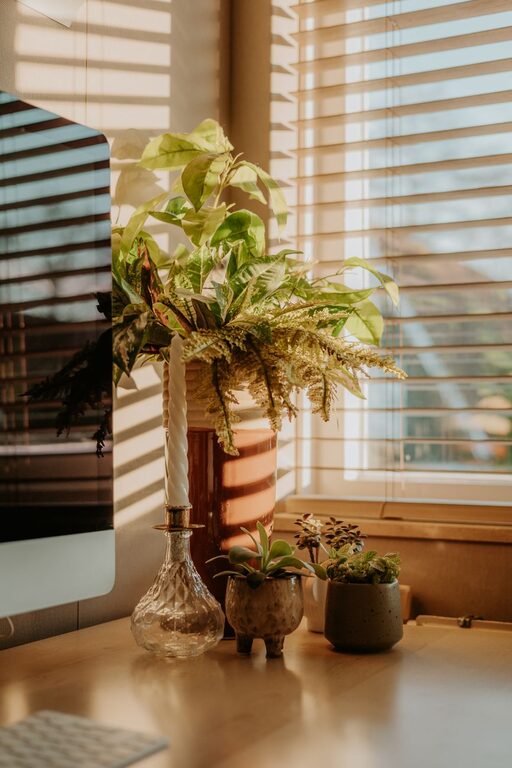
Creating a relaxing home office environment is key to maintaining productivity and enjoying your workday. When your workspace feels calm and inviting, it’s easier to focus and stay motivated. Whether you’re new to remote work or looking to refresh your current setup, these tips will help you design a home office that supports both relaxation and efficiency.
Why a Relaxing Home Office Matters
A comfortable, well-organized workspace can reduce stress and increase concentration. When the environment is clutter-free and pleasing, distractions lessen, allowing you to enter a productive flow. Balancing relaxation with work is crucial, especially when your home doubles as an office.
Choose the Right Location
Find a Quiet Spot
Select a part of your home where noise and interruptions are minimal. A dedicated room is ideal, but if that’s not possible, choose a quiet corner away from busy household areas.
Natural Light Boosts Mood
Position your desk near a window to take advantage of natural light. Sunlight helps regulate your body clock and improves mood and alertness, but avoid glare on your computer screen.
Invest in Comfortable Furniture
Ergonomic Chair and Desk
Choose a chair that supports good posture with adjustable height and lumbar support. Pair it with a desk at the right height for comfortable typing and writing.
Add Comfort Elements
Consider a footrest, wrist supports, or an anti-fatigue mat if you stand while working. Small additions can make long hours more comfortable and reduce physical strain.
Keep Your Space Organized
Declutter Regularly
A tidy workspace minimizes distractions. Keep only essential items on your desk and store supplies in drawers or organizers to maintain a clean surface.
Use Storage Solutions
Shelves, filing cabinets, and containers help keep papers and tools orderly. Labeling storage makes it easier to find what you need quickly.
Personalize Your Workspace
Add Calming Decor
Incorporate elements like plants, artwork, or candles that promote tranquility. Greenery not only beautifies the space but also improves air quality.
Use Soothing Colors
Soft, neutral tones or pastels create a peaceful atmosphere. Avoid overly bright or harsh colors that might cause visual fatigue.
Manage Noise Effectively
Use Noise-Canceling Headphones
If you cannot control the surrounding noise, headphones can help you concentrate. Listening to instrumental music or white noise can further boost focus.
Soundproof Area When Possible
Add rugs, curtains, or foam panels to absorb sound. This helps reduce echoes and outside noise disruptions.
Optimize Lighting
Balance Natural and Artificial Light
Supplement daylight with adjustable desk lamps. Warm light is easier on the eyes during evening hours than harsh fluorescent bulbs.
Reduce Screen Glare
Position monitors to avoid reflections from windows or overhead lights. Anti-glare screen protectors also help reduce eye strain.
Incorporate Break Areas
Designate a Relaxation Spot
Separate work from rest by having a chair or small space where you can take breaks. This helps you mentally shift away from work tasks.
Practice Stretching and Movement
Schedule brief intervals to stand, stretch, or walk. Movement improves circulation and refreshes your mind.
Use Technology Wisely
Organize Your Digital Space
Keep your desktop neat and files well sorted. Use productivity tools or apps to manage tasks and deadlines efficiently.
Limit Distractions
Turn off unnecessary notifications and set specific times to check emails or social media. Control your digital environment as much as your physical one.
Establish a Routine
Consistent Work Hours
Having regular start and stop times helps create boundaries and fosters a work-life balance.
Plan Your Day
Prioritize tasks and include breaks. A structured schedule can reduce stress and increase your sense of control over the workday.
—
Creating a relaxing and productive home office is about combining comfort, organization, and personal touches to support your work style. By paying attention to lighting, noise, and ergonomics, and by intentionally setting boundaries, you can make your home office a place where productivity and relaxation work hand in hand. Give these tips a try to transform your workspace and enhance your daily work experience.