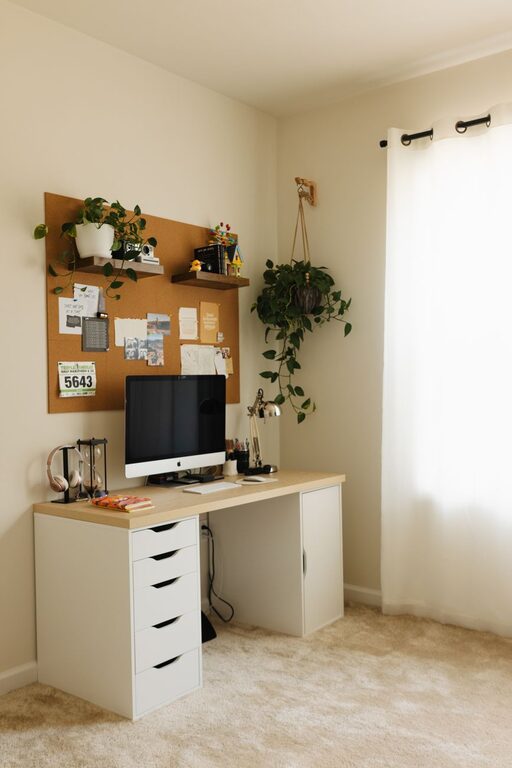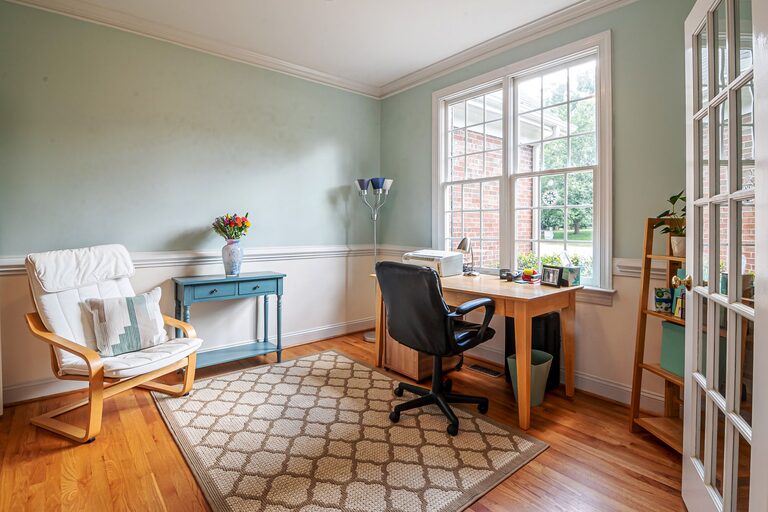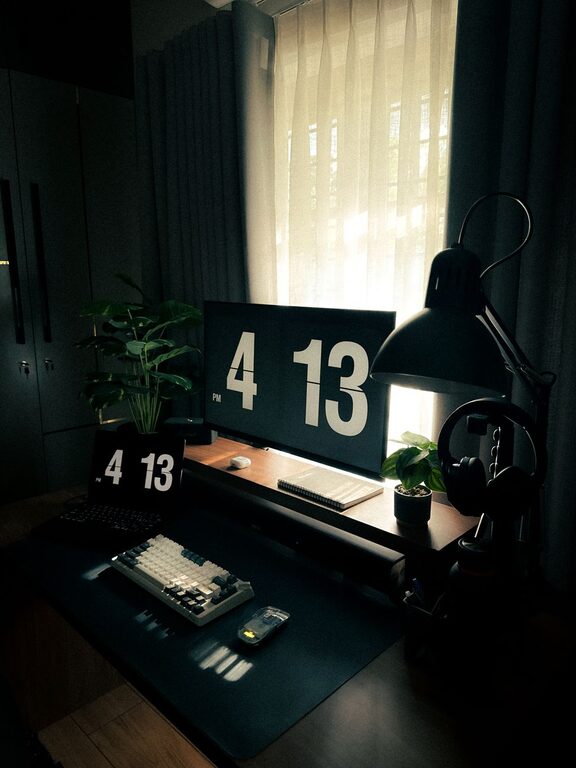
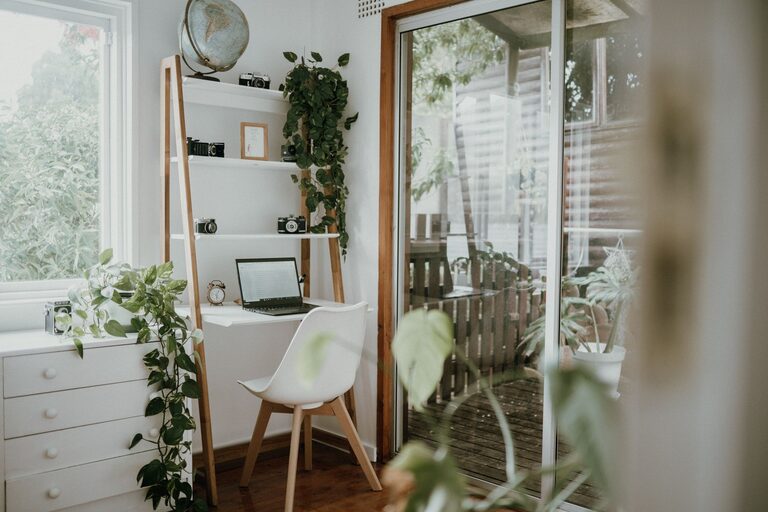
Creating a home office that feels cozy yet boosts your productivity is essential in today’s era of remote work and flexible schedules. The right environment can improve focus, reduce stress, and make working from home a positive experience. Here’s a detailed guide with tips to help you design a home office space that supports both comfort and efficiency.
1. Choose the Ideal Location
Selecting the right spot for your home office is the first step toward creating a pleasant workspace.
– Natural Light: Aim for a space with plenty of natural light. Sunlight can enhance mood and energy levels.
– Quiet Area: Choose a spot away from household distractions, such as the TV or busy common areas.
– Space to Spread Out: Make sure there’s enough room for your desk, chair, and any additional equipment or storage you need.
If space is limited, consider multipurpose furniture or transforming a corner of your living room or bedroom.
2. Invest in Ergonomic Furniture
Comfort plays a significant role in productivity. Ergonomic furniture supports posture and reduces discomfort.
– Ergonomic Chair: Look for adjustable chairs with lumbar support to maintain good posture during long work hours.
– Desk Height: Your desk should be at a height that allows your arms to rest comfortably with elbows at about 90 degrees.
– Footrest: Consider a footrest if your feet don’t comfortably reach the floor.
Taking care of your body prevents fatigue and discomfort, helping you stay focused.
3. Optimize Lighting for Comfort and Focus
Lighting affects both your mood and productivity.
– Task Lighting: Use desk lamps with adjustable brightness to reduce eye strain.
– Avoid Glare: Position your computer screen perpendicular to windows to prevent glare.
– Warm vs. Cool Light: Warm light creates a cozy atmosphere, while cool light is better for focus during work. A combination can work well depending on your tasks.
Good lighting helps maintain energy levels and vision comfort throughout the day.
4. Keep Your Space Organized and Clutter-Free
An organized workspace promotes clear thinking and efficiency.
– Storage Solutions: Use shelves, filing cabinets, or storage boxes to keep paperwork and supplies tidy.
– Minimal Desk Setup: Limit items on your desk to essentials to reduce distractions.
– Cable Management: Use clips or covers to organize cables and prevent tangling.
Decluttering your space makes it easier to concentrate and can reduce feelings of overwhelm.
5. Personalize Your Workspace
Adding personal touches can make your home office feel inviting and motivating.
– Artwork and Plants: Hang inspiring artwork or add potted plants for a touch of nature and color.
– Comfort Items: Soft cushions, a cozy throw, or a small rug can make the space feel warm and inviting.
– Inspiring Quotes: Place notes or posters with uplifting messages to keep your motivation high.
Personalization helps create an environment where you want to spend time and be productive.
6. Use Technology Wisely
Technology is a crucial element in any home office, but it’s important to balance convenience with simplicity.
– Reliable Internet: Ensure a stable and fast internet connection for seamless communication and work.
– Quality Equipment: Invest in a good monitor, keyboard, and mouse to enhance comfort and efficiency.
– Noise-Cancelling Headphones: These can help minimize distractions in noisy environments.
Keeping your tech setup streamlined and functional avoids frustration and interruptions.
7. Establish Boundaries and a Routine
To maintain productivity, set clear boundaries between work and personal life.
– Defined Work Hours: Stick to a schedule that tells your brain when it’s time to focus.
– Dedicated Workspace: Use your home office only for work to help create mental separation.
– Breaks and Movement: Take regular breaks to stretch and refresh. This improves productivity and wellbeing.
Establishing routines helps your mind shift into “work mode” and improves overall efficiency.
8. Incorporate Elements That Boost Calm and Focus
Creating a soothing environment can reduce stress and enhance concentration.
– Neutral Colors: Choose calming colors like soft blues, greens, or neutrals that are easy on the eyes.
– Aromatherapy: Use subtle scents such as lavender or eucalyptus to promote relaxation.
– Sound Control: Consider white noise machines or soft background music to mask distractions.
These small but effective touches help maintain a peaceful work atmosphere.
—
Designing a home office that strikes a balance between coziness and productivity is achievable with some thoughtful planning. From choosing the right location to personalizing your space and optimizing your setup, these tips provide practical ways to create a workspace you love. A well-designed home office not only improves your work performance but also supports your wellbeing, making remote work a more enjoyable experience.