
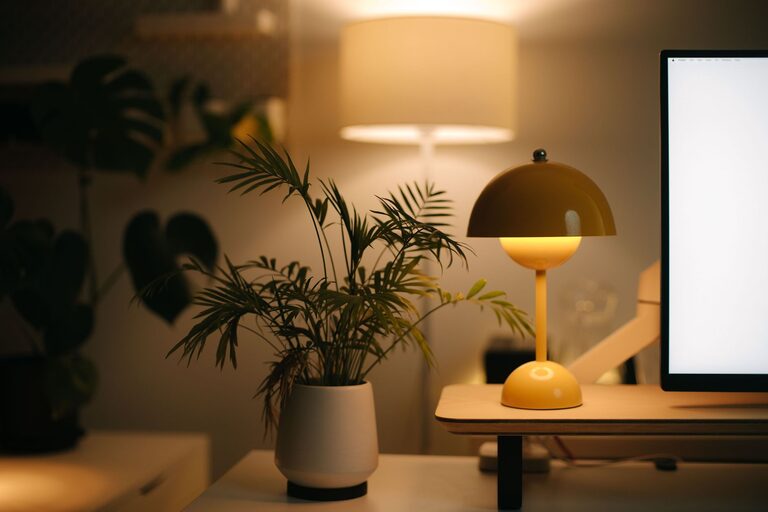
Creating a relaxing home workspace is essential for anyone who spends significant time working from home. A well-designed environment can help improve focus, reduce stress, and increase overall productivity. Whether you have a dedicated room or just a small corner, there are several tips you can follow to transform your space into a calm and inviting area. In this post, we’ll explore practical ideas for setting up a workspace that supports both comfort and concentration.
Choose the Right Location
Find a Quiet Spot
The first step is selecting the right place for your workspace. Ideally, it should be a quiet area in your home, away from distractions like televisions or busy household traffic. If possible, a separate room or a nook in a less-used part of your home can work well.
Consider Natural Light
Natural light can have a positive effect on mood and energy levels. Position your desk near a window if you can, but make sure to avoid glare on your computer screen. If natural light is limited, invest in good quality artificial lighting that mimics daylight.
Invest in Comfortable Furniture
Ergonomic Chair and Desk
Comfort is key to maintaining focus during long work sessions. Invest in an ergonomic chair that supports your back and encourages good posture. Your desk should be at a height that allows your arms to rest comfortably when typing.
Add Soft Touches
Including soft furnishings like cushions or a footrest can add comfort and relaxation. Choose calming colors for your chair covers or desk mats to create a soothing feel.
Declutter and Organize
Keep Only Essentials
A clutter-free workspace helps clear your mind. Keep only the essentials on your desk: your computer, a notebook, pens, and any tools you use frequently. Store other items in drawers or shelves to keep the surface tidy.
Use Storage Solutions
Use organizers like trays, filing cabinets, or baskets to keep papers and supplies in order. Label containers to make it easy to find things without frantic searching.
Add Calming Elements
Bring in Nature
Plants can improve air quality and add a touch of nature to your workspace. Choose low-maintenance plants like succulents or spider plants that thrive indoors and require minimal care.
Use Soothing Colors
Paint or decorate your workspace with calming colors such as soft blues, greens, or neutrals. These shades promote relaxation and focus, rather than bright, stimulating tones.
Incorporate Personal Touches
Adding personal items like photos, artwork, or meaningful objects can make your workspace feel welcoming and comfortable. Just be careful not to overcrowd the space.
Manage Technology Wisely
Organize Cables
Tangled cables can add to visual clutter. Use cable organizers or clips to keep wires neat and out of the way.
Control Screen Brightness
Adjust your computer screen brightness to avoid eye strain. Consider using software that reduces blue light during evening hours to protect your sleep patterns.
Create a Routine for Breaks
Take Regular Breaks
Working for long periods without breaks can increase stress and fatigue. Use a timer or app to remind yourself to stand up, stretch, or take a short walk every hour.
Relaxation Techniques
Incorporate quick relaxation techniques into your breaks, such as deep breathing exercises, light stretching, or brief mindfulness practice. This can help reset your mind and improve focus.
Personalize Your Lighting and Sound
Use Adjustable Lighting
Having multiple lighting options allows you to adapt your workspace to different tasks and times of day. Desk lamps with adjustable brightness or color temperature are ideal.
Consider Background Sounds
Some people find soft background music or white noise helpful for concentration. Experiment with different sounds to find what works best for you, but avoid anything too distracting.
Keep Your Workspace Clean
Daily Tidying
Spend a few minutes at the end of each workday tidying your space. Wipe down surfaces and put away items to start the next day fresh and organized.
Air Quality
Ensure your workspace has good ventilation. Occasional fresh air and clean air filters can help maintain a healthy environment.
—
Creating a relaxing home workspace doesn’t require a complete overhaul. By focusing on comfort, organization, and thoughtful touches, you can craft a space that supports your productivity while reducing stress. Experiment with these ideas to discover what makes you feel most at ease and ready to work. With the right setup, your home workspace can become a pleasant and productive area that blends work and well-being seamlessly.