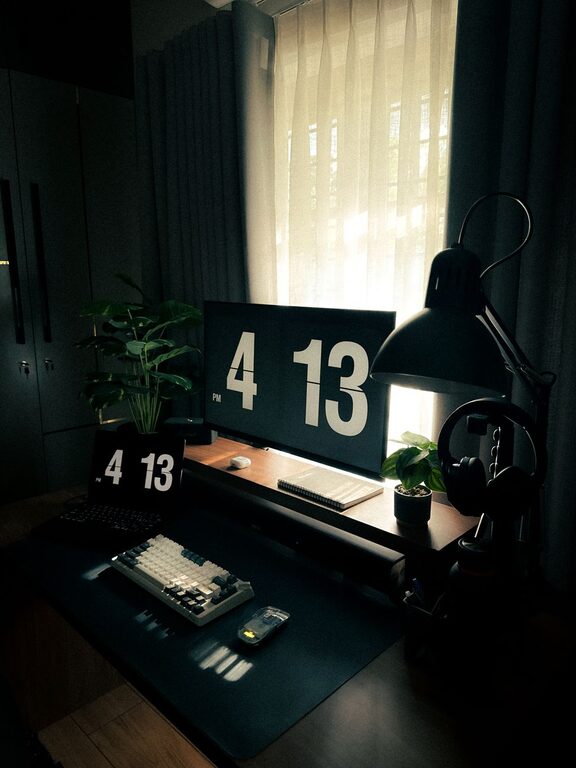
Working from home has become a norm for many, but creating a space that helps you stay focused and efficient can sometimes be challenging. A well-designed home office environment can make a significant difference in your productivity and overall comfort. Whether you’re setting up a new workspace or looking to improve your current one, these tips will guide you in creating the perfect home office that supports your work goals.
Choose the Right Location
Prioritize Natural Light
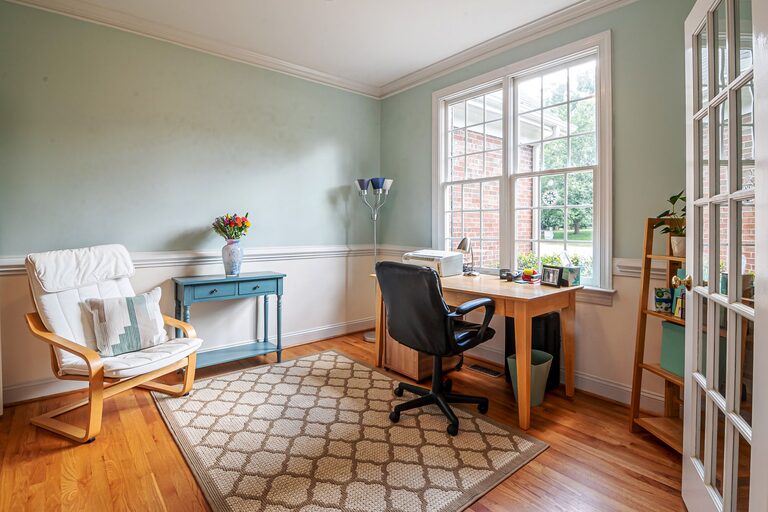
Select a spot in your home that receives plenty of natural light. Natural light can boost your mood and energy levels, reducing eye strain. Position your desk near a window if possible, but avoid glare on your computer screen by using curtains or blinds.
Minimize Distractions
Look for a quiet area away from household noise and high-traffic zones. A dedicated room is ideal, but if space is limited, try to establish boundaries or use noise-cancelling headphones to maintain focus.
Invest in Ergonomic Furniture
Comfortable Chair
A supportive chair is essential for long hours of work. Choose one with adjustable height, good lumbar support, and comfortable padding to prevent back pain and fatigue.
Appropriate Desk
Your desk should be the right height to maintain good posture. If possible, consider a sit-stand desk that allows you to alternate between sitting and standing throughout the day.
Organize Your Space Efficiently
Declutter Regularly
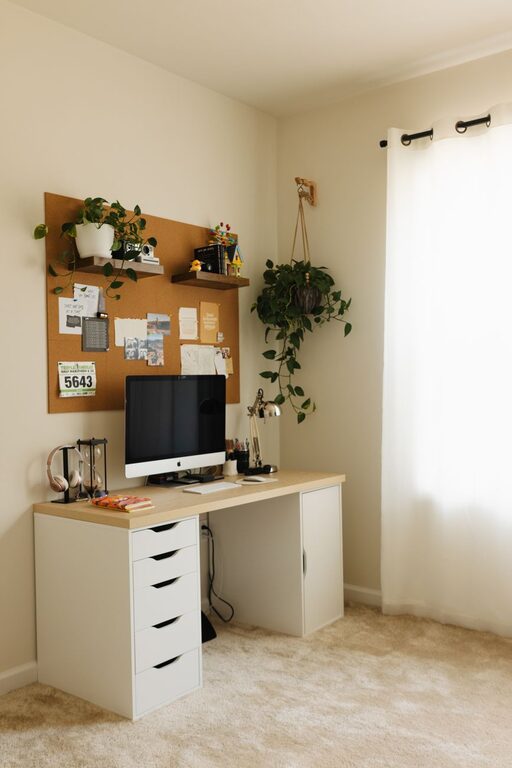
Keep only the items you need daily on your desk. Decluttering reduces visual distractions and helps keep your mind clear and focused.
Use Storage Solutions
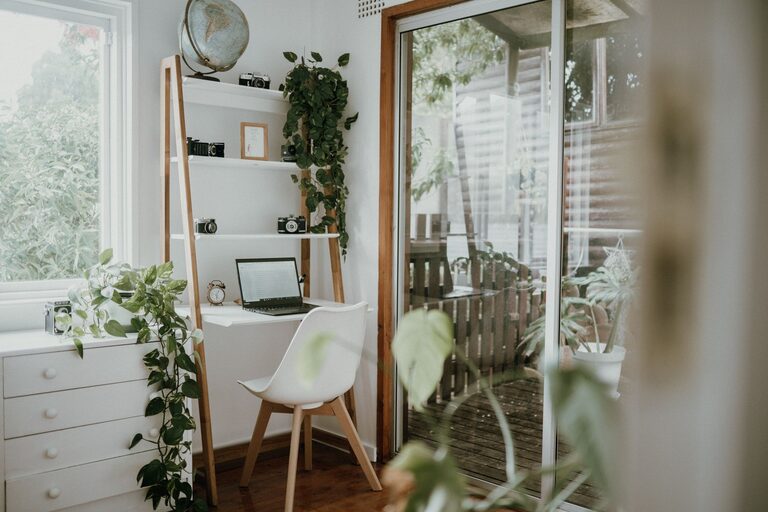
Shelves, filing cabinets, and desk organizers help keep papers, supplies, and technology neat and accessible. Labeling drawers or containers can save time when searching for items.
Optimize Technology and Tools
Reliable Internet Connection
Ensure your internet is fast and stable to avoid interruptions during video calls or large file transfers.
Quality Equipment
Invest in essential equipment like a good monitor, keyboard, and mouse. A second monitor can enhance multitasking abilities. Don’t forget accessories like a webcam and microphone for clear communication.
Create a Comfortable Ambiance
Control Lighting
Besides natural light, ensure your workspace has adequate artificial lighting. A desk lamp with adjustable brightness can reduce eye strain during late hours.
Personalize Thoughtfully
Add plants, artwork, or personal items that inspire you without cluttering your space. A splash of greenery can improve air quality and offer a refreshing visual break.
Maintain Healthy Habits
Schedule Breaks
Take short breaks to stretch or walk around every hour to avoid stiffness and fatigue. Use breaks to hydrate and refresh your mind.
Set Boundaries
Establish clear work hours and communicate them to family and friends. Turning off work notifications after hours helps maintain a healthy work-life balance.
Enhance Focus and Motivation
Use Time Management Techniques
Methods like the Pomodoro Technique, where you work in focused intervals followed by breaks, can improve concentration and prevent burnout.
Set Goals Daily
Start your day by listing tasks you want to accomplish. Prioritize and tackle the most important ones first to maintain a sense of achievement.
Keep Improving Your Space
Your home office should evolve with your needs. Periodically assess what’s working and what’s not, and be open to rearranging or investing in new solutions to sustain productivity.
Final Thoughts
A productive home office environment combines comfort, organization, and focus-friendly elements. By carefully considering location, furniture, technology, and habits, you can create a workspace that supports your best work and well-being every day. Start small, be consistent, and watch your productivity thrive in your personalized workspace.