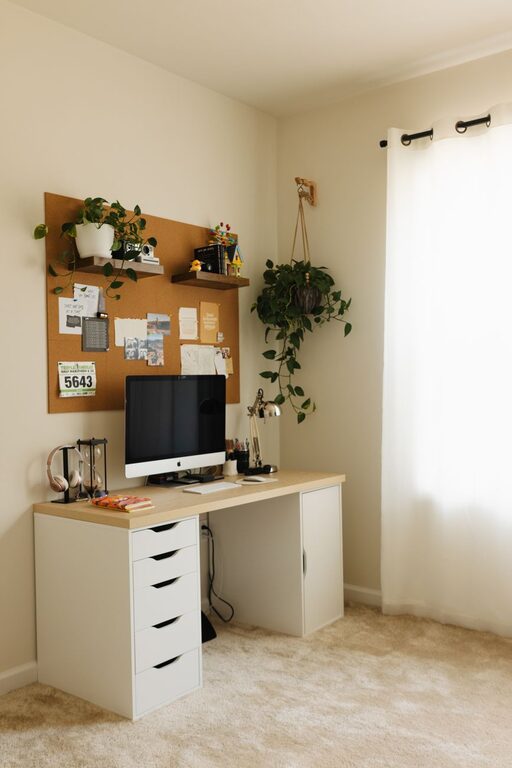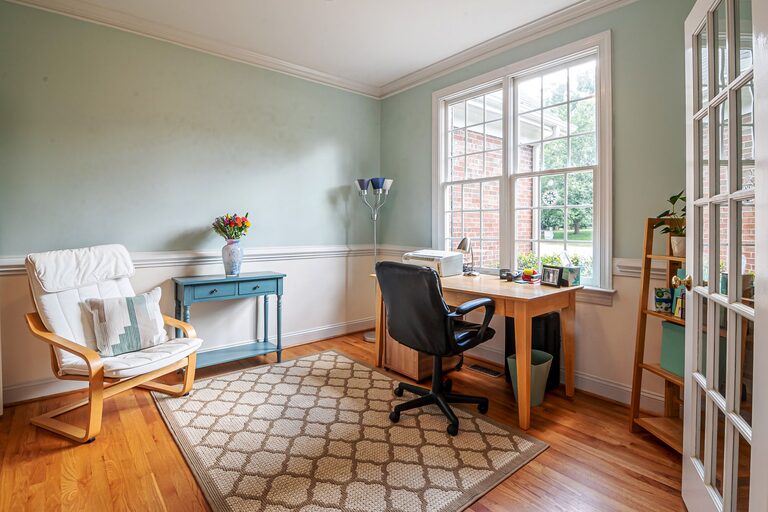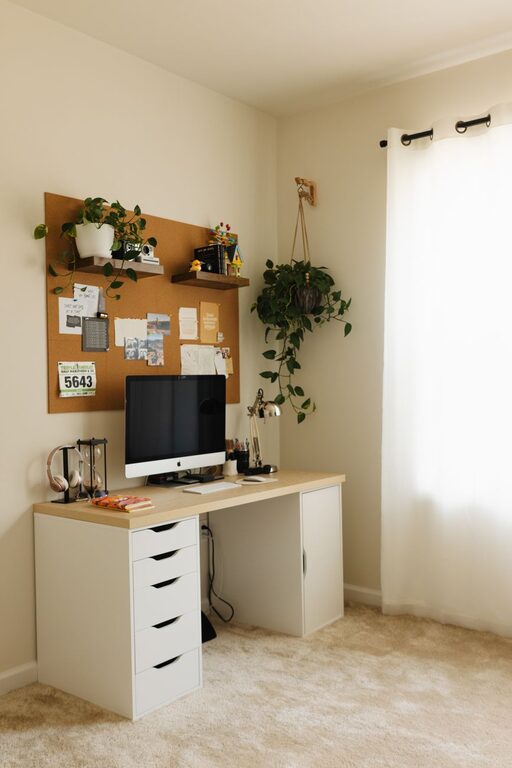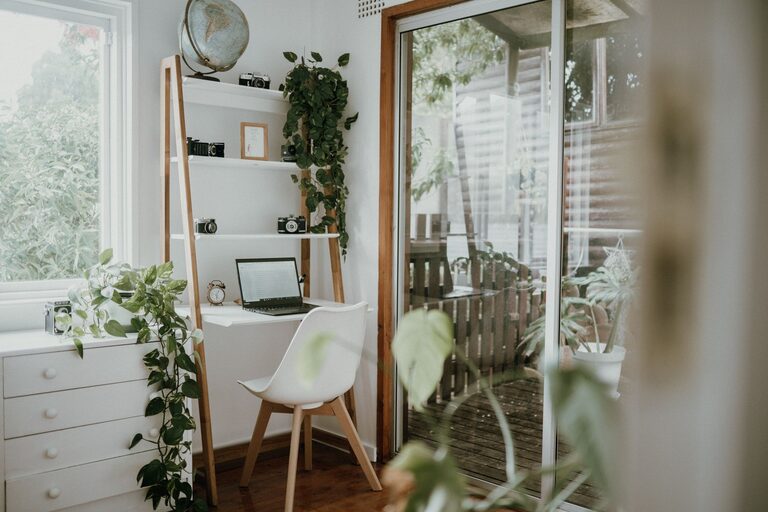
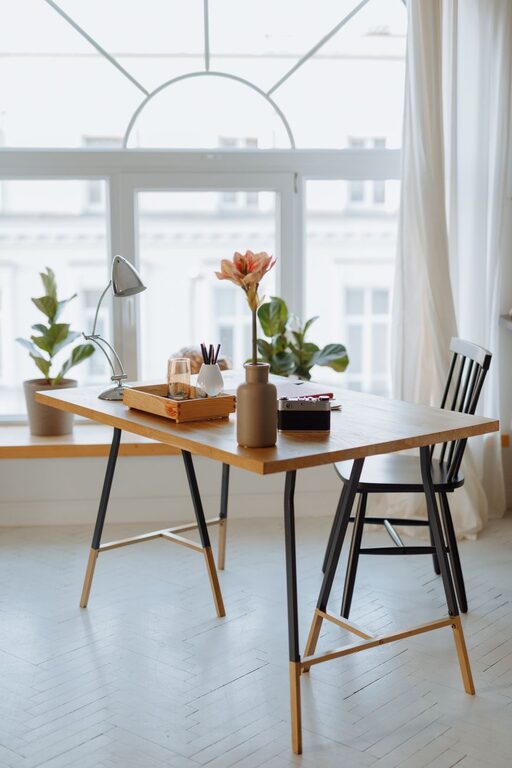
Creating a cozy and inviting home office is more important than ever as many people spend increasing amounts of time working from home. A well-designed space can make work feel less stressful, improve focus, and even spark creativity. Whether you have a dedicated room or a small corner, you can turn it into a comfortable, inspiring environment. Here are some practical tips to help you create a home office that feels both cozy and functional.
Choose the Right Location
Choosing the best spot for your home office is the first step. Ideally, select a quiet area with minimal distractions. Good natural light is a huge plus because it helps reduce eye strain and lifts your mood. Facing a window can also give you a pleasant view during breaks.
Consider these location tips:
– Use a spare room, guest room, or a nook in a less busy part of your home.
– Avoid places near noisy appliances or high-traffic areas.
– If space is limited, consider a fold-away desk or a compact workstation.
Invest in Comfortable Furniture
Comfort is key when spending hours working. Your desk and chair should support good posture to prevent back and neck pain.
Key furniture considerations:
– Choose an adjustable ergonomic chair with good lumbar support.
– Pick a desk at the right height so your arms and wrists align naturally.
– If possible, add a footrest and an adjustable monitor stand.
Comfortable furniture helps you stay focused and prevents fatigue. Don’t hesitate to spend a little more on quality pieces that last.
Use Soft, Warm Lighting
Lighting sets the mood and affects your comfort level. Avoid harsh overhead fluorescents that can cause headaches and eye strain.
Lighting tips for a cozy office:
– Combine natural and artificial light for best results.
– Use warm-toned LED desk lamps with adjustable brightness.
– Add soft ambient lighting like floor lamps or string lights to create warmth.
Layered lighting makes your space feel inviting while maintaining good visibility for work.
Incorporate Soothing Colors
Colors affect how a room feels and can influence your mood. Soft, muted tones are perfect for promoting calm and concentration.
Recommended color ideas:
– Light blues, greens, or neutral earth tones on walls and decor.
– Use accent colors like soft yellows or blush pinks sparingly.
– Avoid overly bright or intense colors that may cause distraction.
You can add color through wall paint, furniture, curtains, or small accessories.
Keep Your Space Organized
Clutter can be distracting and increase stress. Keeping your workspace tidy will help you feel more relaxed and focused.
Organization strategies:
– Use shelves, drawer organizers, and filing systems for paperwork.
– Keep only essential items on your desk to reduce clutter.
– Use cable management tools to keep cords neat and out of sight.
Regularly clearing your workspace and dedicating a spot for everything helps maintain order.
Add Personal Touches
Your home office should feel welcoming and reflect your personality. This can increase your comfort and motivation.
Ideas for personalization:
– Display artwork, photos, or inspirational quotes.
– Use plants to bring life and fresh air into the room.
– Add cozy textiles like a soft rug, cushions, or a throw blanket.
Personal touches make the space uniquely yours and can boost your mood.
Optimize for Productivity and Comfort
Small adjustments can improve your workflow and comfort throughout the day.
Productivity tips:
– Position your computer screen at eye level to avoid neck strain.
– Keep frequently used items within easy reach.
– Take regular breaks to stand, stretch, and rest your eyes.
Incorporating a standing desk or balance board can add variety to your posture during the day.
Consider Sound and Privacy
Noise and interruptions can disrupt work and affect concentration.
Sound management:
– Use noise-canceling headphones if you can’t control external sounds.
– Add soft furnishings like curtains and rugs to absorb sound.
– Use a white noise machine or app to mask distracting noises.
If privacy is limited, a room divider or folding screen can create a sense of separation.
Maintain Good Air Quality and Temperature
A comfortable temperature and fresh air are important for concentration and health.
Tips for air and temperature:
– Open windows periodically to bring in fresh air.
– Use a fan or heater to regulate temperature as needed.
– Consider an air purifier if your area has dust or allergens.
A pleasant environment reduces fatigue and helps you stay alert.
—
Creating a cozy and inviting home office doesn’t require a big budget or complicated designs. By focusing on comfort, lighting, organization, and personalization, you can build a space that supports your work and wellbeing. Take the time to adapt your office to your needs and tastes—it will make your workdays much more enjoyable.